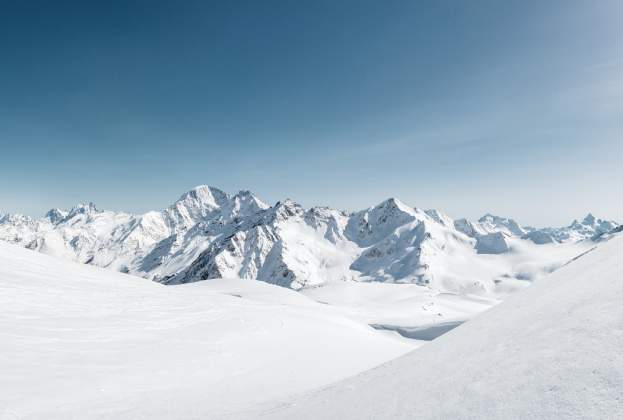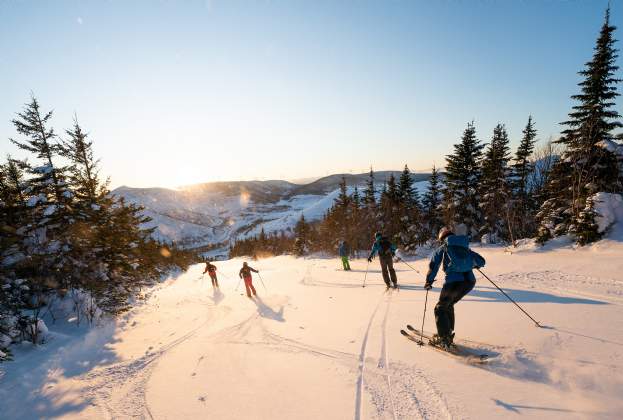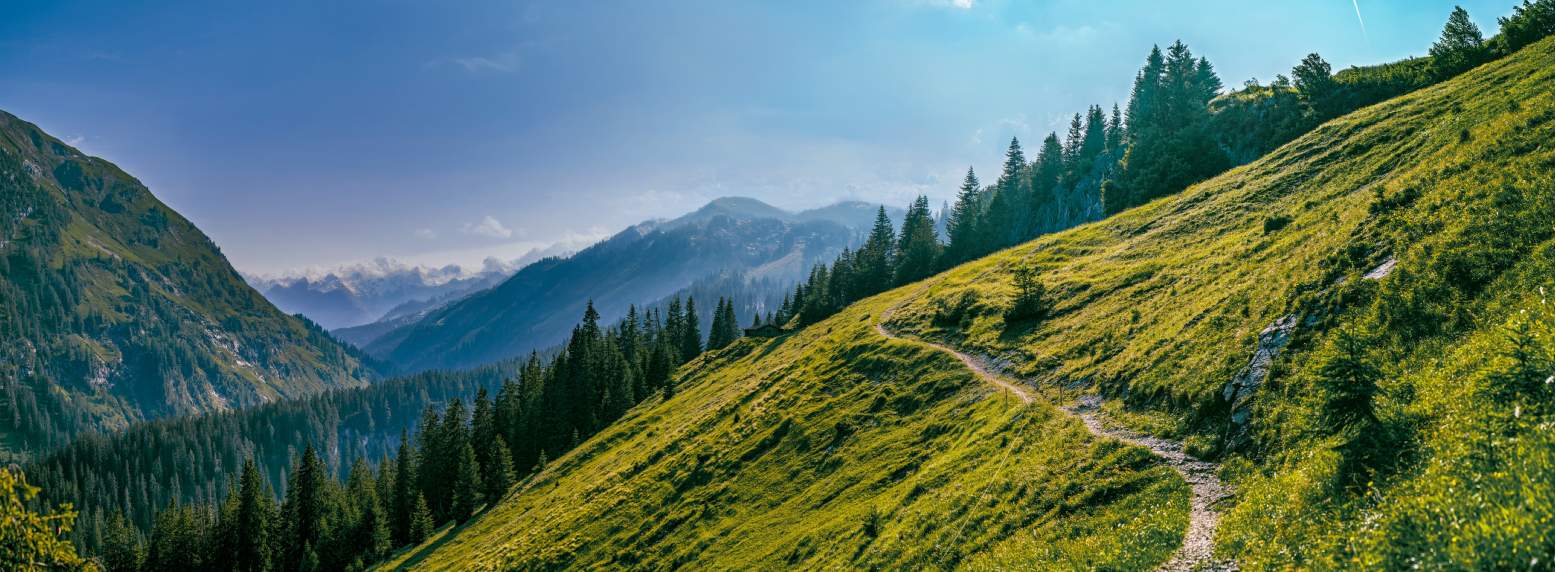
Our three indices explore ski resort resilience in Europe, Asia, North and South America by assessing factors including temperature, season length and altitude.
WINTER RESILIENCE
The 2025-26 ski season produced a mixed resilience picture among resorts around the globe. The most resilient regions remain those at the highest altitudes and with the lowest temperatures, where conditions unsurprisingly enable better snow retention. This trend has continued into the 2026-27 Resilience Index, with the top six performing resorts in this year’s index all located on glaciers: Zermatt, Breuil-Cervinia, Tignes, Saas-Fee, Sölden and Val d’Isère.
The El Niño weather pattern for the 2026-27 ski season will drive a mixed outlook for resort ski conditions across the globe.
Following lower snowfall across many locations in the 2025-26 ski season, subdued conditions may persist in the western United States, Japan and Europe. El Niño may also create greater challenges for snowpack retention in northerly markets, including Canada and Norway.
Altitude is a key determinant of winter resilience, with the six most resilient resorts all located at high altitudes and on glaciers. Locations ranked seventh to 21st are all at altitudes above 2,000 metres.
The French resort of Tignes was a particularly strong performer this year and recorded exceptional snowfall, while Sölden in Austria and Zermatt in Switzerland also recorded significant snowfall.
Among resorts located below 2,000 metres, the strongest performers were concentrated in Scandinavia, including Geilo, Hemsedal, Vemdalen and Åre, and around Salzburg in central Austria, including Bad Gastein and Zell am See. The Austrian resorts benefited from strong snowfall during the most recent winter, while Scandinavian destinations continue to gain an advantage from their northerly latitude, which supports both snowfall and snow retention.
The longer-term winter resilience of lower- and mid-altitude resorts in Japan (Furano and Niseko) and Canada (Whistler Blackcomb and Mont Tremblant) remains uncertain. Although these destinations recorded favourable snowfall in 2024-25, conditions weakened during the most recent season.
A strong El Niño event, which typically occurs every two to seven years, could compound the effect of rising global temperatures and pressure season length, snowfall and snow retention. Zermatt-Cervinia, the last resort to offer year-round skiing, closed in August 2026 for the first time since 2022, after a heatwave prevented overnight refreezing on the Theodul Glacier. Other glacier destinations have also ended their summer seasons early as high temperatures reduced snow cover.
Against a backdrop of weaker snowfall, snow retention is becoming increasingly important to preserving skiable terrain. An El Niño event could also reduce snowfall reliability and lead to prolonged dry spells during winter. Low- and mid-altitude resorts are likely to be most exposed. In the 2025-26 winter season, several lower-altitude Alpine destinations recorded substantially less snowfall.
Overall, winter resilience remains strongest among high-altitude glacial resorts and resorts at northerly latitudes. By contrast, lower-altitude resorts and those at more southerly latitudes are facing challenges such as rising temperatures, increased exposure to extreme weather and less reliable snowfall. These factors are challenging resilience, given the threat of shorter ski seasons, which accelerates the need for a broader year-round offering.
Glacial and high-altitude resorts remain the most resilient, while lower-elevation destinations face growing challenges from less reliable snowfall and shorter seasons.
SUMMER RESILIENCE
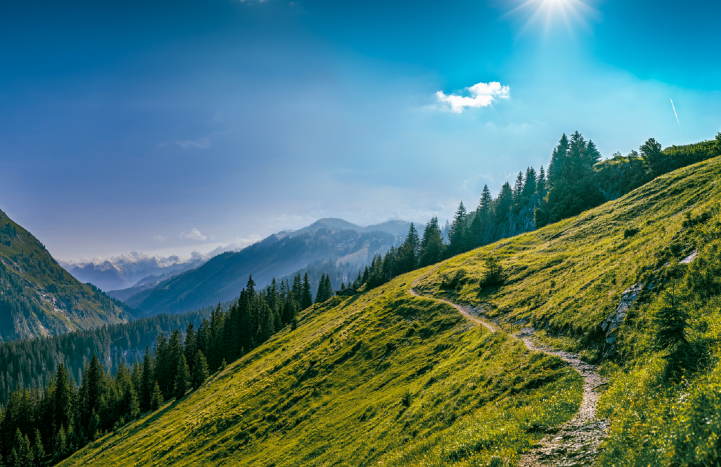
The Summer Resilience Index assesses how effectively resorts can sustain demand beyond the ski season through activities such as hiking, mountain biking and golf. It is based on five measures: summer season length, events, connectivity and summer sunshine hours. Resorts score most highly where these factors combine to support an accessible, varied and durable summer offering.
Shorter ski seasons and less reliable snow are pushing resorts to strengthen their year-round appeal. The Summer Resilience Index looks at the resorts that deliver during the summer months.
High-altitude Swiss resorts, including Zermatt, Andermatt and St Moritz, performed well in the Summer Resilience Index because of their lower summer temperatures, connectivity and long summer seasons. For Zermatt, which previously offered year-round skiing, investment in summer activities is becoming central to maintaining a year-round calendar.
Vail, Mont Tremblant and other North American resorts scored highly for the breadth of events held during summer.
In Mont Tremblant, the International Blues Festival sits alongside sporting events such as an annual marathon and Ironman competitions, reinforcing the resort’s desirability as a summer activity destination. Aspen combines access to Colorado’s hot springs with cycling events such as the Snowmass Bike Park race series, creating a varied offer for summer visitors.
Italian resorts, which tend to record average or weaker winter resilience, generally perform better in the summer ranking. Val Gardena places 11th overall, supported by the strong connectivity, sunshine and events on offer within the resort and across the Dolomites.
Cortina d’Ampezzo, host of the 2026 Winter Olympics, can also use its new facilities for ice skating and hockey events during the summer months.
For mid-altitude resorts, summer offers an important counterbalance to greater uncertainty around the winter season. Resorts such as Morgins and Gstaad in Switzerland, and Val Gardena-Gröden in Italy, perform strongly in the Summer Resilience Index, supported by established year-round outdoor recreation. This diversification is becoming increasingly significant as snowfall declines.
Tignes and Val d’Isère perform strongly across both the summer and winter indices. Their high altitude and cooler temperatures support skiing into the summer months, while well-established summer programmes broaden their appeal beyond the traditional ski season.
For resorts with shorter ski seasons, expanding summer tourism presents an opportunity to offset the impacts of declining snow cover. As demand grows for cooler summer destinations, mountain resorts are well placed to attract visitors beyond the winter season and strengthen their year-round appeal.
OVERALL RESILIENCE
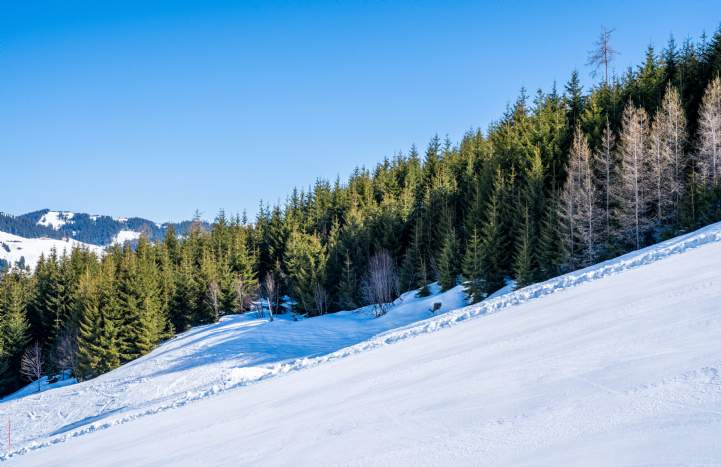
Glacial and high-altitude resorts remain the most resilient across both summer and winter, even as summer skiing becomes more challenging. In response, ski destinations globally have expanded their summer-season offerings through music and food festivals, enhanced hiking and biking trail networks, and extended hospitality opening periods to provide both financial and ecological resilience when skiing may not be possible.
Zermatt ranks first on both the winter and summer resilience indices due to its cooler summer climate, broad programme of events, reliable snow conditions and high altitude during the winter season.
Conditions remained fragmented across resorts at every altitude during the 2025-26 ski season. With an El Niño event expected to continue into early 2027, uncertainty around snowfall and ski conditions is likely to persist.
Other Swiss resorts, such as Morgins and Gstaad, which face some uncertainty over winter resilience, also performed strongly in the Summer Resilience Index.
Weather events such as El Niño and increasingly unpredictable snowfall are accelerating investment in year-round tourism. Resorts that deliver a broader leisure and lifestyle offering are expected to continue outperforming as demand extends beyond the traditional ski season.
If you’re considering a move, whether buying, selling or renting, our team would be delighted to assist with your ski property enquiries.
Read the other articles within The Ski Report below